
Delivery and Placement · Driveway Protection
How to Avoid Driveway Damage When Using a Roll-Off Dumpster
A roll-off dumpster rarely ruins a driveway. When it does, the cause is almost always predictable: the wrong surface, the wrong spot, too much weight, or a Georgia afternoon hot enough to soften asphalt. Here is how to keep yours in one piece.
Most driveways handle a roll-off dumpster without a mark. Damage comes from concentrated weight on the container rails, soft or already-cracked surfaces, hot asphalt, and heavy debris like concrete or wet soil. Protect the surface with boards under the rails, place the container on the strongest section of the slab, keep the load under the weight allowance, and photograph your driveway before delivery and after pickup.
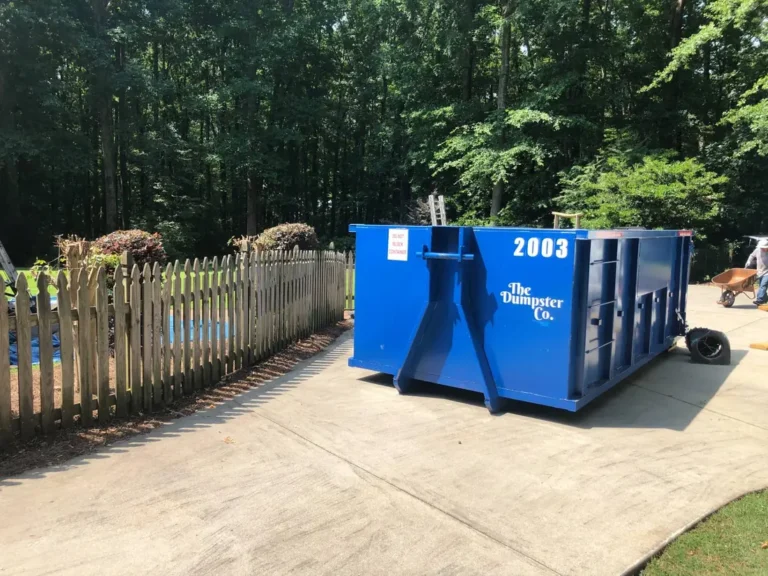
Will a Dumpster Damage My Driveway?
Usually, no. A sound concrete or asphalt driveway in decent shape handles a residential roll-off dumpster without a problem. We deliver to driveways across 16 middle Georgia cities every week, and the vast majority of pickups leave nothing behind but a clean rectangle where the container sat.
The exceptions follow a pattern. Driveways that crack or scuff under a dumpster almost always had one of four things working against them: a surface that was already weak, a container placed on the thinnest part of the slab, a load far heavier than the container was rated for, or soft asphalt baking in summer heat. Every one of those is preventable.
If you want the step-by-step delivery prep (clearance, overhead lines, moving vehicles), start with our driveway prep guide. This article goes one level deeper: why damage happens, which surfaces are most at risk, and how to protect yours.
What Actually Causes Driveway Damage
A roll-off container does not sit flat on its whole floor. It rests on two steel rails and, on most containers, a set of rear rollers. That means the full weight of the container and everything inside it gets concentrated onto a few narrow strips of contact. A load spread across a whole slab is easy. The same load focused on two rails is where the trouble starts.
Point Loading on the Rails and Rollers
As the container fills, the pressure under the rails climbs. On a weak surface, that pressure shows up as dents in asphalt, scuff lines from the rollers, or a cracked corner on a concrete slab.
The Delivery Truck Itself
A roll-off truck is heavy before it ever drops a container. The apron where your driveway meets the street, and any edge that was never built for truck traffic, takes the most stress. Tell us about a weak apron or a crumbling edge when you book so the driver can plan the approach.
Heat
Asphalt softens as it heats up. A long July or August rental on dark asphalt in full sun is the single most common setup for rail marks in middle Georgia. Concrete does not soften, but it does not forgive weight on a cracked section either.
Dense Debris
Concrete, brick, dirt, sod, and wet roofing material weigh far more per cubic yard than household junk. A bin full of heavy material puts several times more pressure on the rails than the same bin full of furniture and boxes.
Risk by Driveway Surface
Not every driveway carries the same risk. Here is how the common surfaces in our service area typically respond to a loaded roll-off.
| Surface | Typical Risk | What to Watch | Best Protection |
|---|---|---|---|
| Concrete (sound, no cracks) | Low | Thin edges, the apron, existing cracks | Place on the thickest, central part of the slab |
| Asphalt | Moderate, higher in summer | Rail dents and roller scuffs in heat | Boards under the rails, shorter summer rentals |
| Pavers | Moderate to high | Shifting and settling under point loads | Wide boards to spread weight, or alternate placement |
| Gravel | Low for the surface, higher for ruts | Rutting after rain, sinking rails | Firm, dry spot; boards in wet weather |
| Stamped or decorative concrete | Moderate | Scratches to sealer and finish | Boards under rails and rollers |
Already cracked? Existing cracks are weak points, not warnings that something new happened. If your driveway has cracks, sunken sections, or soft spots, mention them when you book. We can help you find a placement that avoids them, or talk through other options.
Five Ways to Protect Your Driveway
- Lay boards under the rails. Plywood or lumber placed where the rails and rollers will land spreads the weight over a wider area. This is the simplest protection there is, and it matters most on asphalt and pavers. Lay the boards before the truck arrives so the driver can set the container right on top of them.
- Pick the strongest section. The middle of a slab is stronger than its edges and the apron. Point the driver to a flat, solid area away from cracks, drains, and the edge of the pavement.
- Rent the right size. A bigger container is not automatically safer. A 10-yard or 15-yard has a smaller footprint and a lower weight allowance, which keeps the total load on your driveway lower. Use our sizing guide to match the container to the job.
- Keep heavy material in check. Spread dense debris across the floor of the container instead of piling it at one end. Our loading guide covers how to balance a load.
- Shorten the rental in hot weather. In peak summer, plan the work so the container sits on asphalt for as few days as possible. See how weather affects your rental for more on Georgia heat and rain.
Why Weight Is the Biggest Factor
Weight drives almost every driveway problem, and it is the one you control directly. Every one of our containers comes with a weight allowance included in the flat rate.
| Container | Weight Allowance Included | Starting Price |
|---|---|---|
| 10 yard | 1 ton | From $360 (5-day rental) |
| 15 yard | 1.5 tons | From $375 (5-day rental) |
| 20 yard | 2 tons | From $410 (5-day rental) |
| 30 yard | 4 tons | From $575 (7-day rental) |
Staying inside the allowance protects your budget and your driveway at the same time. Heavy projects like concrete removal belong in our 20-yard concrete dumpster, which is built for dense loads. If the slab under it is your driveway, that conversation should happen before delivery, not after. For more on how heavy materials add up, read our guide to construction dumpster weight limits.
Before Delivery and After Pickup Checklist
Before the Truck Arrives
- Photograph the whole driveway, including the apron and any existing cracks, with the date visible on your phone.
- Move vehicles, trash cans, and anything else out of the placement zone.
- Lay boards where the rails and rollers will sit.
- Mark the spot you want with cones or tape so the driver can see it.
- Tell us about soft spots, weak edges, or a steep slope when you book.
After Pickup
- Take the same photos from the same angles.
- Check for rail marks, scuffs, and new cracks, especially at the apron.
- Sweep the area. Most of what looks like a mark is dirt and debris that rinses away.
- If something looks wrong, call us at (678) 306-9993 the same day with your before and after photos.
When the Driveway Is the Wrong Spot
Some driveways should not take a container at all: fresh asphalt that has not cured, a driveway with major cracking or sunken sections, steep slopes, or a narrow pad with no room for the rails to land on solid ground. In those cases, look at a level section of yard (in dry weather), a gravel pad, or the street.
Street placement comes with its own rules. A container in a public street or right-of-way usually needs permission from the city, the county, or GDOT, and many HOAs restrict it. Read our dumpster permit guide, our guide to street and right-of-way placement, and our HOA dumpster rules guide before you choose the curb.
Frequently Asked Questions
Will a roll-off dumpster damage my driveway?
Usually not. A sound concrete or asphalt driveway handles a residential roll-off dumpster without damage. Problems come from weak or already-cracked surfaces, placement on thin edges or the apron, overloaded containers, and soft asphalt in summer heat. Boards under the rails and a smart placement spot prevent most issues.
Should I put plywood under a dumpster?
Yes, especially on asphalt, pavers, and decorative concrete. Plywood or lumber under the rails and rollers spreads the weight over a larger area and reduces the chance of dents and scuffs. Lay the boards before delivery so the driver can set the container directly on them.
Is asphalt or concrete better for a dumpster?
Sound concrete is the most forgiving surface because it does not soften in heat. Asphalt works well too, but it can dent under the rails during hot weather, so boards and shorter summer rentals matter more on asphalt.
Can I put a dumpster on pavers?
You can, but pavers can shift or settle under the concentrated weight of the rails. Use wide boards to spread the load, keep heavy debris to a minimum, or consider another placement spot such as a gravel pad or a permitted street location.
What should I do if I see a mark after pickup?
Sweep and rinse the area first, since most marks are dirt. If you still see damage, compare it to the photos you took before delivery and call The Dumpster Co. at (678) 306-9993 the same day.
What size dumpster is easiest on a driveway?
Smaller containers like the 10-yard and 15-yard have a smaller footprint and lower weight allowances, so they put less total load on your driveway. Choose the smallest size that fits your project to keep weight down.
Ready to Book a Driveway-Friendly Dumpster?
Tell us about your driveway when you call, and we will help you choose the size and placement that protects it. Flat-rate pricing and fast delivery across middle Georgia.
Prices may vary. Contact us for a free, exact quote.