
Who We Are
Dumpter Pro is a professional junk removal Company.
Our junk removal is a service that involves the pick up and removal of unwanted items. Depending on the items being hauled the pricing will vary.
Once the items have been removed from the property they are hauled away never to be seen again. They may end up going to a recycling center, a second use store, or a disposal station. At Junker our goal is to have most of our items NOT end up in our landfills.
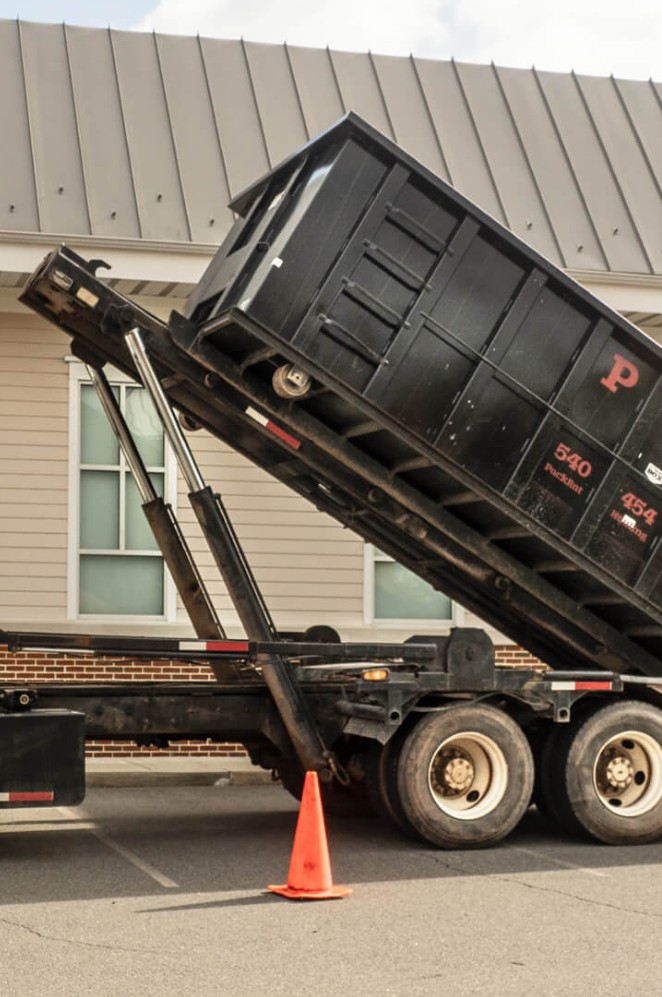
Choose Yours
Our Roll-Off Dumpsters
10 Yard Mobile Dumpster
Holds 4x Pickup Truck Loads
Our most popular size, good for seasonal cleanouts, small remodels, roofing projects or debris removal.
Dimensions
22'9" L x 8'3" W x 4'4" H
15 Yard Mobile Dumpster
Holds 6x Pickup Truck Loads
Our most popular size, good for seasonal cleanouts, small remodels, roofing projects or debris removal.
Dimensions
22'9" L x 8'3" W x 4'4" H
20 Yard Mobile Dumpster
Holds 8x Pickup Truck Loads
Good for seasonal cleanouts, small remodels, roofing projects or debris removal.
Dimensions
22'9" L x 8'3" W x 4'4" H
Storm Debris Dumpster Rental: What to Do After a Storm in Middle Georgia
A storm leaves fast. The debris stays for weeks if you don't have a plan. Here is how to size the cleanup, book the right container, and get your property cleared quickly.
Middle Georgia gets hit hard in storm season. Thunderstorms drop large trees without warning. Hurricanes and tropical systems push through and leave days of cleanup behind them. Ice storms take down limbs that have stood for decades. What is left on the ground after any of those events is a volume problem, and the fastest way to solve a volume problem is a roll-off dumpster dropped in the right place at the right time.
This guide covers what to do in the first 24 to 48 hours after a storm, how to size the container for what you are actually dealing with, what can and cannot go in the bin, and how to get a delivery scheduled quickly when routes fill fast after a major weather event.
First Steps After a Storm
Before you call for a dumpster, take twenty minutes to walk the full property. What looks like a two-day cleanup from the back door can be a week's worth of work once you get to the back fence line, the side yard, or the outbuildings. The walk-through gives you an accurate volume estimate before you call, which means you book the right container the first time rather than discovering you need a swap on day two.
During that walk, make note of a few specific things:
- Whole trees versus sections already cut: a whole tree is a volume problem. A tree that has already been cut into rounds and sections by a tree service is a loading problem with a predictable volume. These produce very different container needs.
- Structural damage alongside yard debris: if the storm took out fencing, a shed, part of a roof, or a deck, that material goes in the bin too. Factor it into your size estimate.
- Hazardous materials from storm damage: a damaged shed or detached garage may have spilled fuel containers, oil, propane, or chemicals. Set those aside before cleanup starts. They cannot go in the bin.
- Driveway access: confirm that the delivery truck can reach the drop spot. A 60-foot straight-line approach is what the driver needs to set the container. If a fallen tree or debris is blocking the driveway, clear enough access before the delivery date.
Sizing the Container for Storm Debris
Storm debris is bulky. Branches and brush fill cubic footage faster than they add weight. The sizing instinct on a storm cleanup is usually to go too small, because branches on the ground don't look like much until you start loading and realize how much air space they take up in the bin.
10-Yard
Light yard cleanup: small branches, brush piles, scattered debris on a typical residential lot. Good for a storm that left wind damage without major tree loss.
View 10-Yard20-Yard
Most residential storm cleanups land here. One or two medium trees down, significant branch and limb debris, roofing damage, fencing, or a combination of all of them.
View 20-Yard30-Yard
Large properties with multiple trees down, or any storm cleanup that includes significant structural debris alongside yard waste. Farm properties, wooded lots, commercial sites.
View 30-YardAfter a line of severe thunderstorms moved through parts of Henry and Butts County a few summers back, we had three days of back-to-back storm cleanup calls. The pattern was consistent: homeowners would call in the morning, describe the yard as "a lot of branches," and ask for a 10-yard. By the afternoon of the first loading day, about half of them were calling back because the bin was already full and they hadn't touched the back section of the property yet.
The branches were the problem. A limb that is 8 inches in diameter and 12 feet long takes up a significant portion of a 10-yard container. Three or four of those and you are out of room before you have loaded any of the smaller debris. After that storm season we started asking one more question on storm cleanup calls: how many trees came down, not how big was the pile. That question gives us a much better picture of the volume we are actually dealing with.
Joe Hardin, Co-Founder, The Dumpster Co.When in doubt, go up one size. The cost difference between a 10-yard and a 20-yard is always less than the cost and delay of a mid-cleanup swap. Our sizing guide covers storm cleanup and other project types if you want a second reference before you call.
What Goes in the Bin and What Does Not
Standard storm debris is one of the cleaner categories of material to load. Most of what a storm leaves on a residential property is accepted without restriction.
Accepted storm debris:
- Tree branches, limbs, and sections of cut tree trunk
- Brush, leaves, and yard waste
- Fencing material including wood, chain link, and vinyl panels and posts
- Roofing material dislodged by the storm: shingles, flashing, gutters
- Siding and trim torn from structures
- Damaged shed and outbuilding material
- Wood decking and structural lumber from storm-damaged structures
- General household items damaged beyond use by water or impact
Appliances that are storm-damaged but free of refrigerant (washers, dryers, dishwashers, standard electric ranges) are accepted in the bin. If you are unsure about a specific item, call (678) 306-9993 before loading it. The full accepted and prohibited materials list is in our materials guide.
Yard Debris and Landscaping Restrictions
There are no special restrictions on yard waste and landscaping debris in standard roll-off containers for residential cleanup in middle Georgia. Branches, brush, leaves, grass, and plant material all go in the bin.
The one consideration worth noting: soil and sod add weight fast. A cubic yard of wet soil weighs roughly 2,000 to 2,700 pounds. If storm erosion or flooding has shifted significant amounts of soil onto your property, loading large quantities of soil or sod into the bin will affect the total weight at disposal. Mention it when you call so we can factor it into the quote.
Whole tree trunks and large root balls are accepted but should be cut into manageable sections before loading rather than dropped in whole. A solid tree trunk loaded end-first into a 20-yard container can take up a third of the available space while weighing far less than that proportion of the weight limit. Cut it down and load in sections to use the container efficiently.
Timing and Same-Day Delivery After a Storm
After a significant storm event, delivery demand spikes across our service area simultaneously. Routes that would normally have same-day availability fill by mid-morning. The homeowner who calls at 7:00 a.m. the day after a storm gets a same-day or next-day drop. The homeowner who waits until 11:00 a.m. is often looking at two or three days out.
Call (678) 306-9993 as early as possible after the storm passes and it is safe to be outside. If we cannot get you a same-day drop, we will give you the earliest available window and hold it. Do not wait to assess the full scope of damage before calling. You can always adjust the container size if your estimate changes between the call and the delivery.
For same-day delivery specifics, see the timing section of our step-by-step rental guide.
Placement When Trees Are Down
Storm cleanups present placement challenges that a standard project does not. A fallen tree may be blocking the driveway. Low limbs from damaged trees may be creating overhead clearance issues. The normal drop spot may be inaccessible.
Before your delivery date, clear enough of the primary access route to allow the truck a straight-line approach of approximately 60 feet. The driver cannot set the container if the approach is blocked, and a failed delivery trip means a fee and a delay. If you cannot clear the access before delivery, call us and describe the situation. We can often find an alternative approach or placement depending on the property layout.
Check overhead clearance too. Storm-damaged trees with hanging limbs are a safety hazard both for the delivery and for anyone working the cleanup. Have a tree service clear obviously dangerous hanging limbs before the delivery truck arrives if possible.
For driveway surface protection during a heavy debris load, see our guidance in the rental process guide. A loaded 20-yard container of dense tree sections is heavy. Plywood under the contact points protects soft asphalt and older driveway surfaces.
When Storm Damage Includes Structural Repairs
Many storm cleanups in middle Georgia involve more than yard debris. A tree through a roof means roofing tear-off material alongside branch and trunk sections. A tornado or severe wind event may take out a fence, a shed, part of a deck, and significant yard trees all in a single pass. That combination changes the sizing calculation.
When you call with a storm cleanup that includes structural damage, describe both the yard debris and the structural material. Roofing debris adds significant weight alongside the volume of yard material. Fencing and lumber add volume. A cleanup that sounds like a 10-yard job based on the yard alone may be a 20-yard job once the roofing and fence material are factored in.
For storm damage that involves a full roofing tear-off, see our roofing dumpster rental guide for weight considerations specific to shingle debris. The two guides cover different aspects of what a combined storm and structural cleanup involves.
- Walk the full property before calling -- count trees down, not just branch piles
- Check outbuildings and sheds for hazardous material spills before loading begins
- Clear driveway access before the delivery date -- 60 feet of straight approach needed
- Check overhead clearance on the approach and drop area
- Call as early as possible after the storm -- post-storm routes fill fast
- Size up if the cleanup includes structural debris alongside yard waste
- Set aside prohibited materials before the bin arrives
- Cut tree trunks into sections before loading -- whole trunks waste cubic space
- Place plywood under the contact points on older or soft driveway surfaces
- Call for pickup or swap-out when the bin reaches the fill line, not after it overflows
Frequently Asked Questions
Storm leave a mess? We can have a bin there fast.
Same-week delivery across middle Georgia. Call early for the best chance at a same-day drop. Flat-rate pricing, no hidden fees.
(678) 306-9993 View Sizes and Book